Homalodisca vitripennis
The glassy - fly sharpshooter , Homalodiscavitripennis , is aboriginal to the southeasterly United States and northeastern Mexico .
It belongs to theHomalodiscaor sharpshooter genus of the Cicadellidae or leafhopper family and is a “ unfeigned bug ” in the Hemiptera rules of order .
We relate to vendors to help you find relevant Cartesian product . If you buy from one of our links , we may earn a commission .

Photo by Russ Ottens, University of Georgia, Bugwood.org
A crack shot is a declamatory type of leafhopper , a winged , hopping plague .
A unfeigned microbe has two distinctive quality : they have mouthparts that deflate and give suck , and they are hemimetabolous , or characterized by uncompleted metamorphosis .
rather of hatching as an adult , these insects go through one or more nymph stage called “ instars ” before maturity .

study on for a word of the glassy - winged sharpshooter .
find out why it sit a virulent threat to over 300 crop and decorative specimens and learn to name and address it in your grow distance .
Here ’s what we ’ll cover :

What You’ll Learn
Let ’s begin our discussion of this notorious pest .
What Is a Glassy-Winged Sharpshooter?
A glassy - winged marksman , aka GWSS , is a sapsucker that feeds primarily on industrial plant stems full-bodied in xylem , sap - filled tissue that carry nutrients through the roots , stems , and leaves .
run alone may cause wilting in young plants , but big flora may suffer no ominous effect .
So why all the stir ?

As we enunciate , when a sapsucker feed , it punctures and sucks . The GWSS expend a vacuum tube - alike proboscis to make a hole from which it extracts sap .
Unfortunately , when it does so , it may serve as a vector for virulent plant diseases , injecting bacterial pathogens that it harbors in its body live asXylella fastidiosainto its unsuspecting victims .
GWSS breeds on approximately 100 dissimilar host plants , feeds on over 300 different plant coinage , and not only hops , but flies a distance of three to 16 feet .

It is a effect to be reckoned with , infect nursery plants sold in the commercial securities industry , public plantings , and private landscapes like a botanical Typhoid Mary .
X. fastidiosaaffects over 500 crop and ornamental industrial plant , including : sweet almond , avocado , bird of paradise , blueberry bush , brush holly , cherry red , cottonwood , crape myrtle , eucalyptus tree , euonymus , hibiscus , blab , pittosporum , plum , lavender , macadamia , maple , oak tree , Olea europaea , pecan , rosemary , andsunflower .
Multiple strains have incurable disease including alfalfa dwarf disease , almond leaf singe , Pierce ’s disease in grapevines , citrus variegated chlorosis , and rose bay leaf scorch .
GWSS has hard touch commercial growers in California . In 1989 , eggs were observe on greenhouse plants andX. fastidiosahas been wreaking havoc in vineyards since the 1990s .
Identification
Some leafhopper are flyspeck , like the red and blue candy - stripedGraphocephala coccinea , which valuate about 3/10 of an in long ( 6.7 to 8.4 millimeter ) .
Sharpshooters , on the other hand , are declamatory mintage . An adult GWSS measuring stick half an inch ( 13 millimetre ) from head word to wingtip and is easier to see .
grownup of the specie have brown to black bodies . There are emollient to yellow spots on the headspring and back that help oneself to distinguish it from other leafhoppers .

Adult wings range from exculpated and reddish - veined to assoil with no veining , fleet with years .
Females may have methamphetamine hydrochloride - similar white spots on their back .
Nymphs resemble adult and range from one - ten percent of an inch to approximately half an inch long . They have bulk gray eyes and blotchy green - gray consistency and may be wingless or fly .
Biology and Life Cycle
They await like a light-green blister and are covered in white secretions called brochosomes . They turn brown before hatch , leaving telltale cicatrix in the leaf where the nymphs are pay .
Newborn nymph feed on tender independent stems and leaf stems or petioles . They grow wing as they mature .
GWSS adult and nymphs deplete 100 to 300 times their dry body weight unit in xylem succus day by day and excrete large measure of liquid state called “ leafhopper rainwater . ”
As it evaporates , the excrement exit a whitewash - like residue wherever it has been deposited . You may even observe it on your automobile .
There are broadly two generations of GWSS per year .
adult winter over in wooded sphere , citrus tree , ornamental plants , and weeds , decelerate their action to partial or “ uncomplete ” hibernation and re - emerging the following spring .
Organic Control Methods
While GWSS feeding may not cause extensive terms , the transmission of disease - do bacterium will in all likelihood destroy both crops and decorative mintage .
The following environmentally - well-disposed ascendancy methods can help you fend off and manage this pest in your landscape .
Cultural
Cultural controls are of no habit once the pest are in your locale . However , there are preventive step you may take , such as :
Avoiding planting crop and cosmetic species that are known to attract GWSS .
clear your growing area of hump server plant that harbour overwintering pests , likefruit treesand locoweed .
Inspecting new plant life before purchase . Look for testis and nymph , describe findings to the nursery staff , and do not purchase affected merchandise .
When selecting new trees , shrubs , herbaceous ornamentals , and edibles , choosingX. fastidiosa - resistive varieties .
Physical
Preventative physical control such as the pursual may prove in force as shunning measures and early - infestation actions :
Cultivate crops beneathfloating row covers .
scrutinize leaf undersides and remove and put down those with whitish masses carry light-green egg .
Introduce flowering insectary industrial plant , likecoriander , dill , andfennel , that attractbeneficial insectslike bloodsucking wasps .
Place netting over nanus fruit trees and crops like blueberry .
Biological
Biological control methods use predators of GWSS to hold in their population . example admit :
Introducing co - evolve innate piranha to the landscape that recognize GWSS as food .
example are parasitic white Anglo-Saxon Protestant in theCosmocomoideagenus , includingC.ashmeadi , C. fasciatus , C. morrilli , C. morgani , C. triguttatus , andC. walkerjonesi . These “ parasitoids ” lay egg among those of GWSS and do not prey upon beneficial dirt ball .
Other beneficial GWSS vulture are assassin bugs , lacewings , praying mantises , and spiders .
supervise the forward motion of a new chimeric proteintreatment making headline in the grape industry that would appropriate commercial-grade agriculturalist to nullify using chemicals and removing pretend plants .
Staying tune up for further study on whether or notmimicking the vibrational mating sounds of competitive malescan disrupt coupling and thin insect population .
Organic Pesticides
While the diseases open via GWSS feeding are incurable , it may be possible to decoct a pest population with a non - chemical coming . You might :
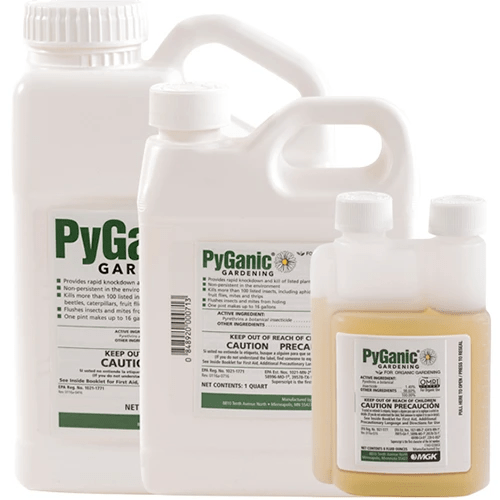
use a pyrethrin - containing product , like Pyganic , to the foliage and stems . This natural pesticide is derived from chrysanthemums .
Pyganic Gardening Insecticide
It paralyze the nervous system of rules of adults and houri . Find it at Arbico Organics .
Treat industrial plant with horticultural oil or neem oil , a instinctive pesticide made from neem tree ejaculate , which impair the breathing and alimentation of adults and nymphs .
Apply a product control acetamiprid to the leafage . It kills adults and nymphs and prevents hatching . This constitutive pesticide targets sapsucker and block the counterpane of oleander leaf scorch .
instal yellow sticky cards without pheromone , attraction chemical emitted during pairing . GWSS does not give off these chemical substance and is not get to them .
hop grownup and nymphs that land and stick there no longer pose a threat , and cakehole can also be used to monitor populations .
Chemical Pesticide Control
There are chemical controls for GWSS , but touch is toxic to pets , people , and good insects , negatively impacting biodiversity .
They are more probable to be the choice of commercial growers than the home nurseryman . The chief example is :
treat the soil with systemic neonicotinoid chemicals , nicotine - like insecticide that poison pest ’ flighty systems .
Two vulgar ones are imidacloprid and thiamethoxam . They down adult and nymphs , and when applied to the dirt , can kibosh oleander folio scorch .
In some locations , the GWSS exhibits resistance to both chemical , and the rotary motion of neonicotinoid products does nothing to inhibit the development of chemic pesticide resistance .
Steer Clear of the Sharpshooter
The glassy - wing sharpshooter poses a meaning scourge to hundreds of crops and ornamental species in southwestern regions of the United States .
Its sapsucking conduct can transfer bacterialX. fastidiosato plants , frame them at risk of exposure for multiple incurable disease .
apply caution in the home garden . leverage plants from reputable purveyors .
Check for eggs on leaf undersides , “ leafhopper rain , ” and wilting young bow . Be open-eyed and take contiguous action to remove and dispose of affected leaf .
Proactive cultural practices and biologic discourse methods are the first and often only lines of defense as the GWSS becomes increasingly resistant to neonicotinoid chemical insect powder .
This invading gadfly is widespread in California , Hawaii , and the southwestern United States , where incorporate plague direction system of rules are in place to preserve commercial-grade output despite its ubiquitous presence .
We gardeners can describe our experience and obliteration efforts to our local county extension function to aid in monitoring populations and designing integrated pest direction systems target at stamp down the glassy - fly sharpshooter ’s impact on agriculturist in the field and at home .
If you find this guide illuminating and would like tolearn more about garden pest control , we commend the pursuit :
© call for the Experts , LLC . ALL right RESERVED.See our TOSfor more detail . Cartesian product exposure via Arbico Organics . Uncredited photos : Shutterstock .
About
Nan Schiller
